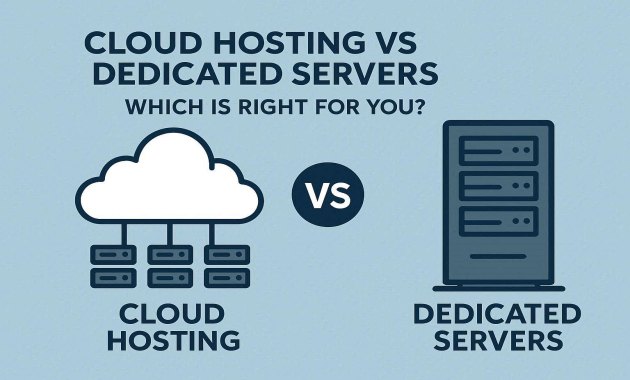
In today’s fast-paced digital world, choosing the right hosting solution is crucial for businesses and individuals looking to build a strong online presence. Two popular hosting options are cloud hosting and dedicated servers, both of which offer distinct advantages and can meet different needs. However, when deciding between the two, it’s important to evaluate several factors such as performance, scalability, cost, and security. In this article, we will compare cloud hosting and dedicated servers, helping you make an informed decision about which one is right for you.
What is Cloud Hosting?
Discover related topics
by Indotex DigitalCloud hosting refers to the use of multiple virtual servers that work together as a single system to host websites or applications. Rather than relying on a single physical server, cloud hosting distributes resources across a network of servers, often located in different data centers. This configuration allows for high availability and scalability, as resources can be added or removed based on demand.
Some of the most popular cloud hosting providers include Amazon Web Services (AWS), Google Cloud, and Microsoft Azure, offering a range of services to meet various needs, from small businesses to large enterprises.
What is a Dedicated Server?
A dedicated server, on the other hand, is a physical server entirely dedicated to a single client. This means that all the resources of the server, such as CPU, RAM, and storage, are reserved for that one user, offering them full control over the server’s configuration. Dedicated servers are typically used by businesses with high traffic or specific security requirements that cannot be met by shared hosting or cloud solutions.
Dedicated servers are usually hosted in a data center, and the user has the option to either manage the server themselves (known as unmanaged dedicated hosting) or have the hosting provider manage it for them (managed dedicated hosting).
Performance and Reliability
When it comes to performance, both cloud hosting and dedicated servers offer excellent capabilities, but the key difference lies in how resources are utilized.
Cloud Hosting Performance: Cloud hosting is designed to deliver optimal performance by using a distributed network of servers. In case of any server failure, the load can automatically shift to other servers, ensuring minimal downtime. This makes cloud hosting an excellent choice for businesses that cannot afford to experience interruptions in service. Additionally, cloud hosting offers high-performance capabilities, as resources can be dynamically allocated based on the website or application’s needs.
Dedicated Server Performance: Dedicated servers offer superior performance in terms of raw power. Since all resources are allocated to a single user, there is no sharing of CPU, RAM, or bandwidth with other clients. This makes dedicated servers ideal for websites with heavy traffic, large databases, or resource-intensive applications. However, the performance of a dedicated server can be affected if it experiences hardware failure, as it’s dependent on a single physical machine.
Reliability Comparison: Cloud hosting generally outperforms dedicated servers in terms of reliability due to its failover mechanisms and distributed architecture. If one server goes down, the other servers in the cloud can take over, ensuring high uptime. In contrast, a dedicated server’s reliability is tied to the physical server, so any hardware failure or downtime can result in significant service disruption unless the client has implemented failover or backup solutions.
Scalability
One of the primary advantages of cloud hosting over dedicated servers is scalability.
Cloud Hosting Scalability: Cloud hosting is highly scalable, allowing users to easily adjust their resources based on demand. If your website or application experiences a sudden spike in traffic, cloud hosting providers can allocate additional resources instantly. This flexibility is beneficial for businesses with fluctuating traffic, seasonal demand, or unpredictable growth patterns. Users only pay for the resources they use, making cloud hosting cost-effective in the long run.
Dedicated Server Scalability: Scalability in dedicated hosting is less flexible. If your website or application experiences a surge in traffic, you would need to upgrade the server’s hardware, which could involve downtime or additional costs. While some dedicated hosting providers offer scalable solutions, the process is typically more time-consuming and less dynamic compared to cloud hosting.
Scalability Comparison: If scalability is a critical factor for your business, cloud hosting offers a significant advantage. It allows for on-demand resource allocation, enabling businesses to scale quickly and efficiently as their needs grow. In contrast, dedicated hosting requires manual intervention and can take longer to scale, making it less suitable for rapidly growing websites.
Cost
Cost is often a major consideration when choosing between cloud hosting and dedicated servers.
Cloud Hosting Cost: Cloud hosting typically operates on a pay-as-you-go model, where users only pay for the resources they use. This can be highly cost-effective, especially for businesses that experience fluctuating demand. However, pricing can become unpredictable if traffic spikes unexpectedly, leading to higher costs in peak periods. Despite this, cloud hosting remains more affordable for smaller businesses or startups that do not need the high performance of a dedicated server.
Dedicated Server Cost: Dedicated servers tend to have a higher upfront cost because they involve leasing a physical server. The cost can vary based on factors such as server specifications, location, and management level (unmanaged vs. managed). While dedicated hosting offers better raw performance, it may not be the most cost-effective solution for smaller businesses, especially if their traffic levels are low or fluctuate. Dedicated servers also come with additional costs for maintenance, hardware upgrades, and potential downtime.
Cost Comparison: For businesses that are budget-conscious or do not require a high-performance server, cloud hosting is likely the more affordable option. On the other hand, if you need consistent high performance and are prepared to invest in a dedicated machine, a dedicated server may be more suitable in the long term.
Security
Both cloud hosting and dedicated servers provide robust security features, but they differ in the way they approach protection.
Cloud Hosting Security: Cloud hosting providers invest heavily in security measures such as encryption, firewalls, and intrusion detection systems. Additionally, data is often replicated across multiple servers, making it more resilient in case of a cyberattack or hardware failure. However, the shared nature of cloud hosting means that if one customer’s security is compromised, it could potentially affect others on the same network.
Dedicated Server Security: Dedicated servers offer a higher level of security because the server is not shared with other users. Clients have complete control over their server’s security configurations, including firewalls, antivirus software, and access controls. For businesses that require strict compliance with data protection regulations (e.g., GDPR or HIPAA), dedicated servers offer more control over the security environment. However, the user is responsible for managing security, unless the hosting provider offers a managed service.
Security Comparison: For businesses that prioritize security and compliance, dedicated servers provide greater control and customization. However, cloud hosting providers also implement advanced security protocols and may be a better option for businesses that prefer a more hands-off approach to security management.
Conclusion
Choosing between cloud hosting and dedicated servers ultimately depends on your business needs, budget, and growth potential.
- Cloud Hosting is ideal for businesses that require flexibility, scalability, and cost-effectiveness. It’s a great choice for websites and applications with fluctuating traffic or rapid growth, as cloud hosting allows for easy resource adjustments and minimal downtime.
- Dedicated Servers, on the other hand, are perfect for businesses that need high performance, enhanced security, and full control over their hosting environment. They are well-suited for large enterprises or resource-intensive applications that require maximum power and customization.
Ultimately, both cloud hosting and dedicated servers have their strengths, and the best choice for you will depend on your specific needs. Evaluate factors such as performance requirements, scalability, budget, and security to make the decision that will best support your long-term business goals.